Carbon footprint and decarbonisation strategies
We measure, prioritise, and deploy actions to reduce emissions and strengthen resilience.
Decarbonising an administration means structurally reducing the greenhouse gas emissions associated with its operations, the public services it provides and the decisions it drives across the territory.
Services
We build Scope 1, 2 and 3 emissions inventories aligned with the GHG Protocol and ISO 14064-1, working from the source data: boundaries, emission sources, factors and documented assumptions in reproducible calculation systems.
We prepare the footprint for external verification and support the whole process. The goal: a solid climate baseline to compare, decide and demonstrate progress.
We turn climate objectives into management limits by organisation, area, service or project.
We build scenarios to see the impact of each lever —energy, mobility, public procurement, materials, construction, waste or supply chain— and prioritise the combinations that cut the most. Carbon becomes a variable for planning resources and investments.
Offsetting doesn’t replace reduction: it starts once there is a clear reduction pathway. We manage residual emissions with criteria of quality, traceability and environmental integrity.
We design local carbon-sink plans —renaturalisation, forest management, soils, green infrastructure— with monitoring, no double counting and measurable impact, generating captured carbon, biodiversity and territorial value.
We design monitoring systems that bring together consumption, emissions, indicators, targets and project progress, with clear responsibilities and review mechanisms.
A climate management system, not one-off calculations: comparable data to know what works and where to redirect resources.
We measure the climate impact of waste, cleaning, mobility, water, facilities, infrastructure and events, including direct and indirect emissions and, where needed, life-cycle criteria.
This makes it possible to compare alternatives, redesign services and use carbon as a criterion in tenders, investments and public decisions.
We turn the footprint into a decarbonisation strategy built into the city project, acting on energy, mobility, buildings, materials, waste, public procurement and municipal services.
We prioritise by tCO₂e reduction, cost, feasibility and territorial impact. The goal: lower emissions and more efficient, resilient cities with better services.
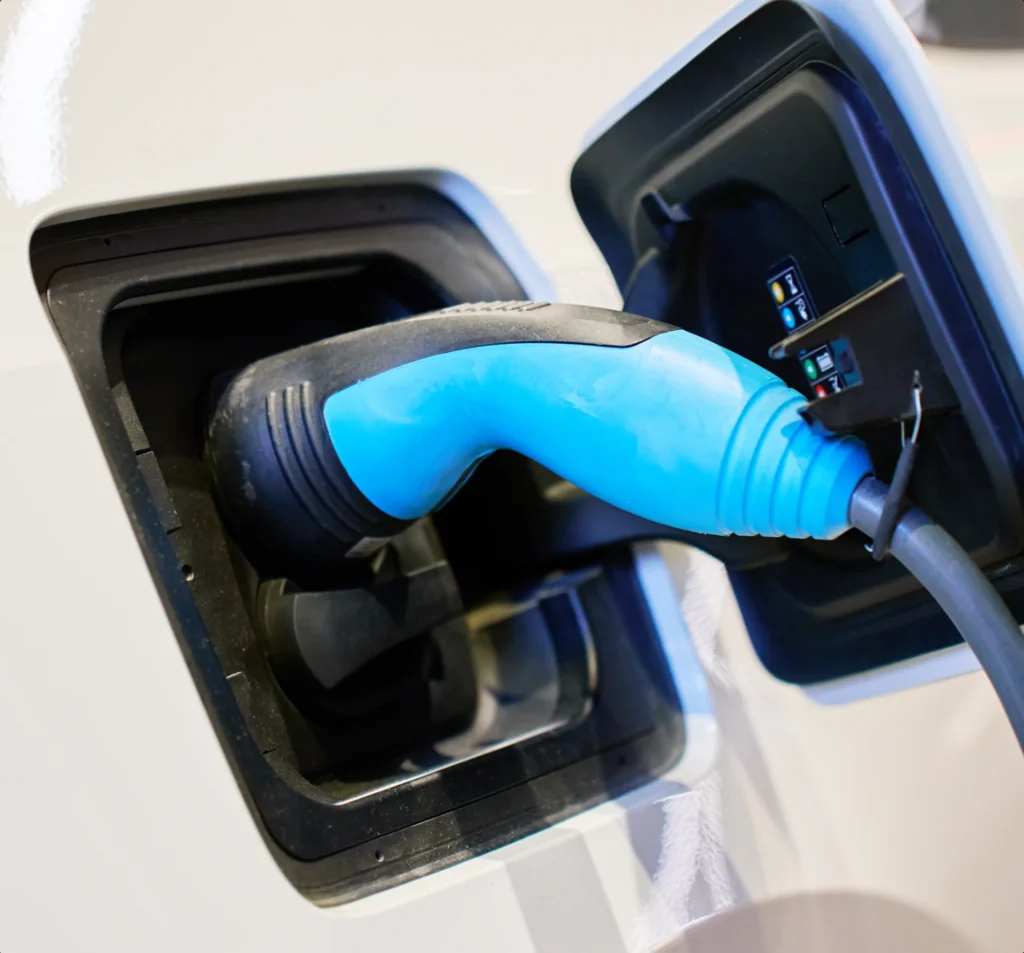
We treat energy as a decarbonisation lever and as a matter of dependence, cost and resilience. We analyse the municipality’s consumption and self-supply capacity.
We identify opportunities for efficiency, electrification, self-consumption (including shared), and local renewables, and support the creation of energy communities. The goal: a territory that produces, manages and decides on its own energy.